What Seasoned Builders Pay Attention to When Designing Decks in Pittsburgh

After more than a decade working in exterior construction around Western Pennsylvania, I’ve learned that working with deck builders in Pittsburgh, PA is very different from building decks in flatter, drier regions. The hills, older homes, soil conditions, and long winters all shape how a deck should be designed and built if it’s going to last.
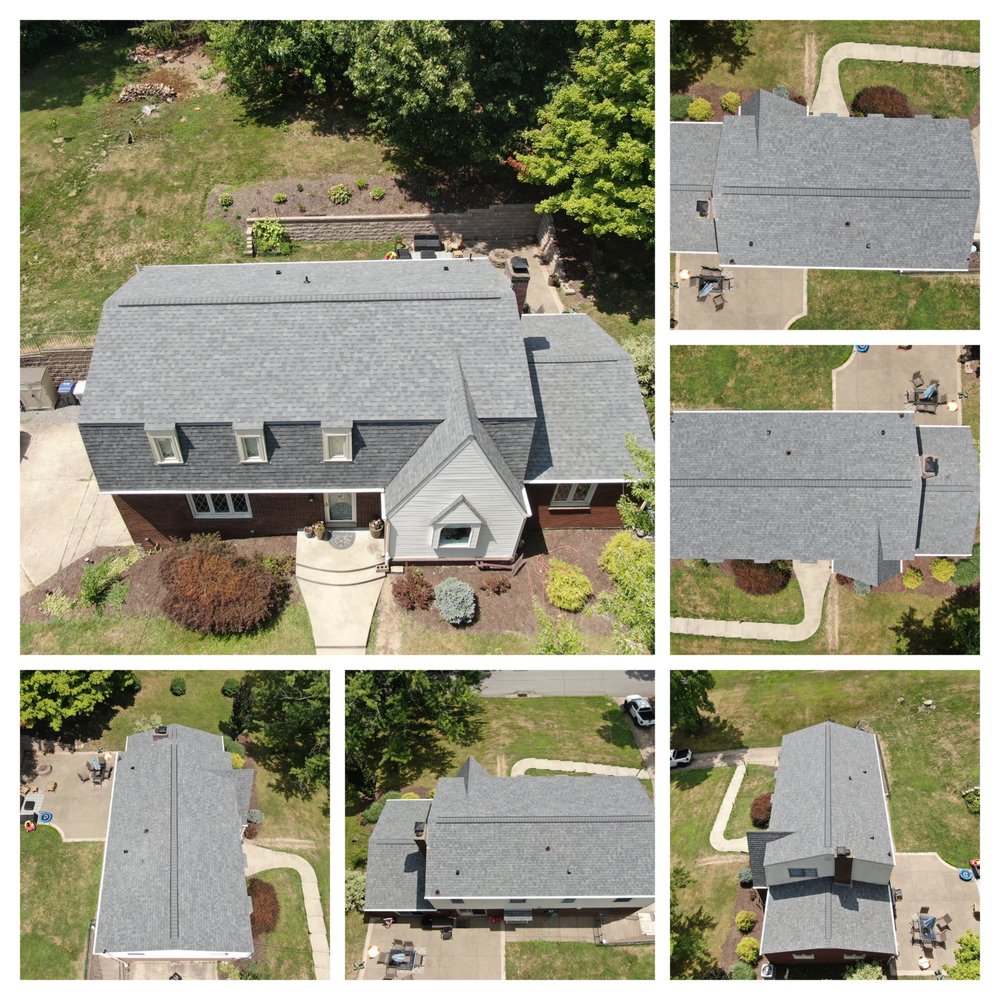
THE BEST 10 Roofing in PITTSBURGH, PA - Pittsabana Roofing, S&L Remodeling,  Rabbit Roofing - Quality & Affordability - Updated 2026 - Yelp

One project that still comes to mind involved a hillside home where the previous deck had started pulling away from the house. From the surface, the boards looked fine. Underneath, the footings were too shallow for the slope and had shifted after several freeze–thaw cycles. We rebuilt the structure with deeper footings and adjusted the framing to account for drainage. That deck didn’t just look better—it finally felt solid underfoot, even after heavy rain.

I’ve found that attachment points are one of the most common failure areas on Pittsburgh decks. Last spring, we were asked to inspect a deck that felt “bouncy,” especially near the door. The ledger board had been fastened without proper flashing, allowing water to creep behind it over time. In a climate where snow sits and melts repeatedly, that moisture has nowhere to go. Once we corrected the flashing and reinforced the attachment, the deck felt like part of the house again instead of an afterthought.

A mistake I see homeowners make is focusing on surface materials without thinking about structure. Composite decking might reduce maintenance, but it doesn’t compensate for undersized joists or poorly spaced supports. I’ve torn down decks where the boards still looked decent, but the framing underneath had already begun to rot. In Pittsburgh, what’s underneath matters more than what’s visible.

Experience also teaches you to respect how people actually use their decks here. Many homeowners want space for grilling, gatherings, or outdoor heaters in cooler months. I advise against designs that don’t account for weight loads or proper ventilation under the deck. Those decisions don’t show up on day one, but they determine whether the deck feels sturdy five or ten years later.

The decks that hold up in Pittsburgh aren’t rushed builds or copied from catalogs. They’re planned with slopes, moisture, and seasonal movement in mind. When builders take the time to do that, a deck becomes more than an outdoor platform—it becomes a safe, dependable extension of the home that feels right in every season.

Read More

What It Really Takes to Design Homes in Winnetka

After more than ten years working as a residential interior designer in the Chicago area, I’ve learned that being an interior designer in Winnetka, Illinois comes with a very specific set of expectations. Winnetka homes aren’t just large or well-built—they often carry decades of architectural intent that clients want respected, not overwritten. Designing here requires patience, judgment, and a willingness to work with what’s already there.

North Shore Nest. Top interior design firm in Chicago, Illinois, Glenview,  Winnetka, Lake Geneva. — North Shore Nest Illinois Based Interior Design  Firm

One of the first Winnetka projects I worked on involved a home that had been renovated several times since the mid-20th century. On paper, the layout seemed cohesive. In reality, ceiling heights shifted subtly from room to room, original trim had been partially replaced over the years, and nothing lined up quite as cleanly as it appeared in drawings. I remember spending multiple site visits adjusting cabinet reveals and molding proportions by small increments so the finished space felt balanced. Those are the kinds of decisions that never show up in a mood board but define the final result.

I’m NCIDQ-certified and have worked extensively with high-end residential clients, but Winnetka taught me quickly that restraint matters more than novelty. I once consulted on a project where the initial design direction leaned heavily toward ornate finishes layered onto an already strong architectural shell. It felt forced. We pulled back, restored some original elements, and simplified the palette. The home immediately felt more cohesive, and the client ended up spending less while getting a better outcome. In neighborhoods like this, knowing when not to add something is just as important as knowing what to add.

Another mistake I see often is designing for appearance instead of use. Many Winnetka clients entertain frequently but also live very active daily lives. I worked with a family who initially wanted delicate upholstery and polished stone throughout their main level. Based on past experience, I pushed for materials that could handle constant use without showing wear too quickly. Months later, after countless gatherings and everyday traffic, the home still looked composed. That wasn’t luck—it was planning for how the space would actually be lived in.

What separates a strong interior designer here is attention to detail and an understanding of long-term consequences. Clients notice alignments, transitions, and whether new work feels authentic to the home. I’ve seen projects lose momentum simply because a designer didn’t take the time to understand the house before proposing changes.

Winnetka doesn’t reward trend-driven design. It rewards designers who listen closely, think holistically, and are comfortable advising against ideas that don’t serve the home. The best work here feels calm, intentional, and enduring—because it’s built on experience rather than impulse.

Read More