Ocean County’s Fight Against Fungal Invaders: Professional Mold Remediation in Toms River
Toms River, New Jersey, with its proximity to the Atlantic Ocean and the naturally humid climate of the Jersey Shore, faces a persistent challenge that homeowners and business owners must constantly manage: mold growth.Understanding the unique factors that contribute to mold in this area and the proper steps for removal is essential for maintaining a healthy and structurally sound property in Toms River.The necessity for specialized services in Mold Remediation in Toms River stems from the localized environmental conditions. Basements, crawl spaces, and attics in the area are particularly vulnerable, often serving as hidden incubators for mold colonies due to poor ventilation, ground moisture wicking up through foundations, or leaks from the roof or plumbing.3 Given that mold spores can quickly become airborne and spread throughout a structure, prompt action is critical.4 A delay of just 48 hours after a water event can be enough for a minor damp spot to develop into a serious contamination issue.
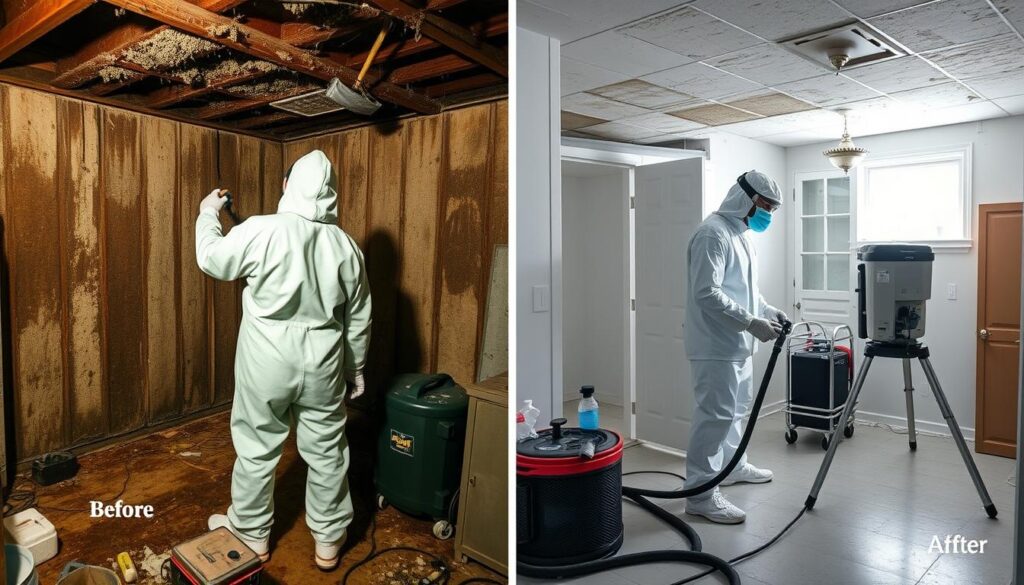
1 The combination of high humidity, occasional severe weather events leading to water intrusion, and the inherent moisture issues in coastal properties creates an ideal breeding ground for various types of fungi.2 Effectively addressing this issue requires more than just scrubbing visible spots; it demands comprehensive, professional mold remediation.
When property owners in Toms River detect a musty odor, notice discolored patches on walls or ceilings, or experience unexplained allergic symptoms, engaging a certified expert in mold remediation is the advised first step to protect both the building and its occupants.A professional approach to mold remediation begins with a meticulous inspection and testing phase.6 Unlike a simple DIY cleanup that only addresses surface-level mold, certified specialists use advanced equipment like thermal imaging cameras and moisture meters to pinpoint the exact sources of water intrusion and areas of hidden mold growth behind walls, under flooring, or within HVAC systems throughout the Toms River property.7 Air and surface samples are often taken and sent to an accredited third-party laboratory for analysis, which identifies the specific species and concentration of mold spores present.8 This detailed assessment is vital because different types of mold—including potentially toxic varieties—require specific protocols for safe and complete mold remediation, ensuring a tailored and effective cleanup strategy for the affected areas.9The core of a successful mold remediation process involves strict containment, negative air pressure, and air filtration.10 Before any removal begins, technicians seal off the affected area from the rest of the building using plastic sheeting and specialized barriers to prevent the cross-contamination of spores.11 Next, powerful air scrubbers equipped with High-Efficiency Particulate Air (HEPA) filters are used to clean the air, capturing microscopic mold spores.12 This step is non-negotiable in effective mold remediation, as it significantly reduces the concentration of airborne spores, protecting both the workers and the property’s unaffected areas in Toms River.
This meticulous containment strategy is key to preventing the recurrence and spread of the issue.13Physical removal of the contamination is the next critical phase of mold remediation.14 Porous materials, such as drywall, carpeting, and insulation, that have been saturated with mold often cannot be salvaged and must be carefully bagged and disposed of according to local waste regulations.15 Hard, non-porous surfaces like wood framing or concrete are cleaned using EPA-approved antimicrobial agents and specialized cleaning techniques, including HEPA vacuuming and hand-sanding, to physically remove the mold growth. After cleaning, many professionals apply an encapsulant or sealant to the treated surfaces. This final application is designed to inhibit future mold growth and complete the mold remediation process.16 This detailed, multi-step process is crucial for thorough decontamination in Toms River.The last and perhaps most important step in mold remediation is addressing the root cause of the moisture problem.17 If the underlying source of water—whether it’s a leaky pipe, a roof breach, basement seepage, or excessively high indoor humidity—is not permanently fixed, the mold is virtually guaranteed to return. This often involves coordinating with other trades, such as plumbers or waterproofing specialists, to enact structural repairs.
For many homes in Toms River, this may include crawl space encapsulation, improved attic ventilation, or installing dehumidification systems to maintain relative humidity below $50\%$. Only when the moisture source is resolved can the structural and aesthetic restoration work begin, finalizing the entire process of mold remediation.Post-remediation testing provides assurance that the cleanup efforts were successful.18 Following the completion of the physical removal and drying processes, an independent third-party inspector may be called in to conduct clearance testing. This involves taking new air and surface samples to confirm that the spore counts within the remediated area meet acceptable, healthy indoor air quality standards.19 Receiving a clearance report signifies the successful completion of the professional mold remediation job, giving homeowners in Toms River peace of mind. This final check is the definitive measure of a job well done and is often required for insurance or real estate transactions.In conclusion, property owners in Toms River must recognize that the climate dictates a proactive and professional stance on managing moisture and mold. When a mold problem is suspected, the health risks and potential property damage are too great to attempt an uncertified, superficial cleanup. Relying on experienced, certified professionals for comprehensive mold remediation—from initial inspection and containment to physical removal and final clearance testing—is the only reliable path to restoring a safe and healthy living environment. Maintaining a dry home and addressing leaks immediately are the best forms of defense against the need for future mold remediation.20